

Carpet vs Vinyl Flooring — the battle of comfort versus durability is real when choosing the perfect surface for your home! 🏡 If you’ve been debating between these two popular flooring options, you’re not alone. Many homeowners face the same decision and wonder: Which is the best fit for my space, style, and budget?
Choosing between carpet and vinyl flooring doesn’t have to be a stressful decision! When you take the time to consider your lifestyle, daily habits, family needs, and even the specific function of each room, you’ll quickly realize that one option may naturally rise to the top. Whether you’re revamping a cozy bedroom, refreshing a bustling family room, or upgrading a high-traffic entryway, the right flooring can make all the difference in both aesthetics and practicality.
In this guide, we’ll break down the major pros and cons of carpet vs vinyl flooring so you can make a decision that you’ll love for years to come. No matter which you choose, investing in quality flooring will elevate your home’s beauty, comfort, and functionality like never before. ✨
Carpet vs Vinyl Flooring: An Overview
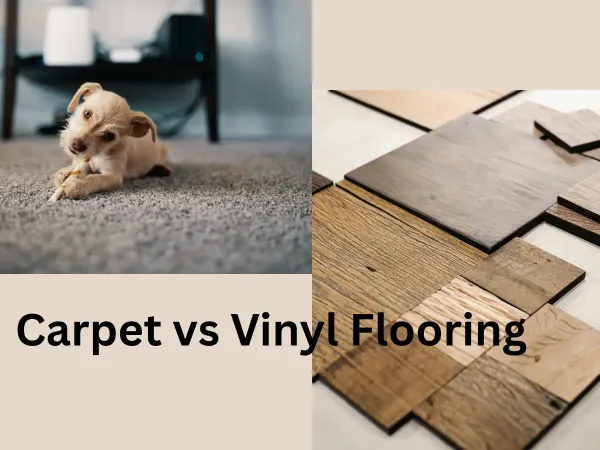
Before we jump into the nitty-gritty, let’s get a quick snapshot of these two popular flooring options.
- Carpet flooring is made from woven fibers, offering unmatched softness, warmth, and noise reduction. It’s available in a vast range of colors, textures, and styles.
- Vinyl flooring, on the other hand, is a synthetic product known for its durability, waterproof nature, and design versatility. It can mimic wood, stone, or ceramic looks at a fraction of the cost.
At a glance:
| Feature | Carpet | Vinyl |
|---|---|---|
| Comfort | High | Moderate |
| Durability | Moderate | High |
| Maintenance | Moderate to High | Low |
| Cost | Moderate | Budget-Friendly |
Note: Looking ahead to the future, flooring trends are also evolving rapidly. To stay up-to-date with what’s trending in the world of flooring, check out our article on the top flooring trends of 2025, which highlights the most sought-after styles and materials.
Benefits of Carpet Flooring
Carpet still holds a special place in many homes, and for good reasons! If you’re looking for different types of carpet flooring, check out our detailed post on types of carpet flooring to explore the variety of textures and colors available. Here are detailed benefits of carpet compared to vinyl:
1. Superior Comfort and Warmth
- Soft Underfoot: Carpet provides a plush, cushioned feel that’s unbeatable for walking barefoot, sitting, or even lying down.
- Thermal Insulation: Carpet naturally insulates your home, helping to retain heat during colder months and making rooms feel warmer and cozier.
2. Noise Reduction
- Sound Absorption: Carpet absorbs sound, reducing noise from footsteps, dropped objects, or voices—making it ideal for multi-level homes, apartments, or busy households.
- Acoustic Comfort: It’s commonly used in bedrooms, home offices, and media rooms where quietness matters.
3. Enhanced Aesthetic and Coziness
- Inviting Atmosphere: Carpet instantly makes a space feel more inviting, cozy, and comfortable.
- Versatile Designs: Available in countless colors, patterns, textures, and pile heights, carpet allows more customization to match your interior décor.
4. Safety Features
- Slip-Resistant: Carpet offers a non-slip surface, reducing the risk of falls, especially helpful for young children, elderly residents, or anyone with mobility concerns.
- Soft Landing: In case of a fall, carpet provides a softer landing, minimizing injury risks compared to harder surfaces.
5. Better for Certain Health Concerns (in Some Cases)
-
Dust Trapping: Contrary to common belief, properly maintained carpet can trap allergens and dust particles, preventing them from circulating in the air (although it does require regular vacuuming).
Benefits of Vinyl Flooring
Vinyl flooring, especially luxury vinyl planks (LVP), has surged in popularity for several strong reasons. Here are detailed benefits of vinyl compared to carpet:
1. Superior Durability and Longevity
- Resistant to Wear and Tear: Vinyl is highly durable and resistant to scratches, dents, and heavy foot traffic, making it ideal for busy households.
- Longer Lifespan: Good-quality vinyl can easily last 15–20 years with minimal maintenance, outlasting most carpets that often show wear after 8–10 years.
2. Waterproof and Moisture-Resistant
- Perfect for Wet Areas: Vinyl’s waterproof nature makes it suitable for kitchens, bathrooms, basements, and mudrooms where carpet would fail.
- Mold and Mildew Resistant: Vinyl doesn’t absorb moisture, reducing risks of mold growth compared to carpet, especially in humid environments.
3. Low Maintenance
- Easy Cleaning: Vinyl flooring requires only simple sweeping and occasional mopping.
- Stain Resistant: Unlike carpet, which can stain permanently from spills, vinyl resists staining even from wine, coffee, or pet accidents.
4. Cost-Effective
- Affordable Installation: Vinyl is generally cheaper to install compared to carpet, especially if you choose sheet vinyl or budget-friendly LVP.
- Minimal Upkeep Costs: No need for professional carpet cleaners or deep cleaning services over time.
5. Modern Aesthetic Appeal
- Realistic Designs: Today’s luxury vinyl tiles and planks can replicate the look of hardwood, natural stone, or ceramic tiles so well that many people can’t tell the difference.
- Wide Range of Styles: Whether you want rustic oak, chic marble, or trendy slate finishes, vinyl offers plenty of modern options.
6. Eco-Friendly Options
- Low-VOC Products Available: Many manufacturers now produce eco-conscious, low-VOC vinyl flooring options that contribute to better indoor air quality.
- Recyclable Options: Some vinyl products are partially recyclable, improving their sustainability score compared to older carpet types.
Vinyl flooring is an increasingly popular choice for many homeowners due to its versatility and ease of maintenance. If you’re considering this option, our Luxury Vinyl Flooring Guide provides all the details you need, from installation tips to style options.
Quick Comparison Table: Benefits of Carpet vs Vinyl Flooring
| Feature | Carpet | Vinyl Flooring |
|---|---|---|
| Comfort | 🌟 Very High | Medium |
| Warmth | 🌟 High | Medium |
| Noise Reduction | 🌟 Excellent | Good |
| Durability | Moderate | 🌟 Excellent |
| Maintenance | Moderate/High Effort | 🌟 Low Effort |
| Water Resistance | Poor | 🌟 Excellent |
| Style Variety | Excellent | 🌟 Excellent (modern wood/stone looks) |
| Safety | 🌟 Slip-resistant | Slip potential (when wet) |
| Cost-Effectiveness | Good | 🌟 Very Good |
| Allergy-Friendliness | Mixed | 🌟 Good |
In short:
- Choose carpet if you prioritize comfort, warmth, noise reduction, and a cozy feel.
- Choose vinyl if you want durability, water resistance, easy cleaning, and modern aesthetics.
Cost Comparison: Carpet vs Vinyl Flooring
When it comes to your wallet, both carpet and vinyl have pros and cons.
- Carpet installation costs typically range from $3 to $7 per square foot, depending on material and style. Higher-end wool carpets can cost even more.
- Vinyl flooring installation averages between $2 to $5 per square foot, with luxury vinyl planks (LVP) slightly higher.
Long-Term Value:
- Carpet may need replacement every 8-10 years, especially in busy homes.
- High-quality vinyl can last 15–20 years or more with minimal upkeep.
If you want a more budget-friendly and low-maintenance solution, vinyl wins this round!
Durability and Maintenance Needs
Durability is a big deal, especially if you have pets, kids, or a lot of foot traffic.
Carpet:
- Lasts 8–10 years on average
- Requires regular vacuuming and occasional deep cleaning
- Susceptible to stains, especially in dining areas or homes with kids
Vinyl:
- Lasts 15–20 years or longer
- Just needs sweeping and occasional mopping
- Resistant to moisture, scratches, and stains—perfect for high-traffic zones
👉 If your priority is minimal maintenance and long-term durability, vinyl flooring is a smart choice.
Aesthetic and Style Considerations
Looks matter! Let’s see how carpet and vinyl stack up in 2025.
Carpet Trends 2025:
- Plush textures and eco-friendly materials
- Neutral tones like beige, gray, and warm taupe
- Patterned and textured carpets making a comeback
Vinyl Trends 2025:
- Ultra-realistic wood-look and stone-look planks
- Wider, longer plank designs
- Waterproof luxury vinyl planks dominating the market
Home Resale Value:
- Vinyl can sometimes boost resale value more than carpet, especially in kitchens and bathrooms.
- Plush, modern carpets still appeal strongly in bedrooms.
Best Use Cases for Carpet vs Vinyl Flooring
When it comes to choosing between carpet and vinyl flooring, it’s not just about personal preference — it’s also about matching the right material to the right space. Certain rooms and lifestyles are better suited to one flooring type over the other. Here’s a closer look at the best use cases for each:
Best Use Cases for Carpet
1. Bedrooms:
- Bedrooms are meant to be cozy sanctuaries, and carpet delivers warmth, comfort, and a soft feel underfoot.
- The insulation properties of carpet help maintain a comfortable temperature, especially during chilly mornings.
- It also provides excellent soundproofing, making it ideal for light sleepers.
2. Living Rooms and Family Rooms:
- These are gathering spaces where comfort is key. Carpet makes lounging, playing, and entertaining more inviting.
- Plush carpets can create a luxurious atmosphere while also absorbing sound to reduce echo in larger spaces.
3. Home Offices:
- If you spend long hours at a desk, carpet can help reduce strain by providing a cushioned surface.
- It also minimizes noise from moving chairs or foot traffic during video calls and work hours.
4. Children’s Playrooms:
- Carpet is soft, reducing the risk of injuries during play.
- Stain-resistant carpet options are available, making it easier to clean up after spills and messes.
5. Low-Traffic Formal Areas:
-
Formal dining rooms, sitting rooms, and guest bedrooms often benefit from the aesthetic appeal and comfort of carpet without worrying about heavy wear and tear.
Best Use Cases for Vinyl Flooring
1. Kitchens:
- Kitchens are prone to spills, splashes, and dropped utensils — all of which vinyl handles like a champ.
- Vinyl’s water resistance and easy-clean surface make it a top choice for busy cooking areas.
2. Bathrooms:
- Water-resistance is critical in bathrooms, and modern luxury vinyl flooring (especially waterproof versions) offers excellent protection against moisture and humidity.
- It provides a stylish, affordable alternative to tile without compromising on durability.
3. Entryways and Mudrooms:
- These high-traffic areas see a lot of dirt, water, and heavy footfall.
- Vinyl stands up to the elements and is easy to wipe clean after muddy boots, rain, or snow.
4. Laundry Rooms:
-
Laundry rooms face potential leaks and humidity issues. Vinyl’s resilience to moisture, combined with its easy maintenance, makes it a smart and safe option.
5. Basements:
- Basements are naturally prone to dampness, and vinyl flooring’s waterproof qualities make it far superior to carpet in these spaces.
- It can also mimic the look of wood or stone, offering both style and practicality below ground level.
6. Homes with Pets and Young Children:
- Vinyl’s scratch resistance and ease of cleaning make it ideal for homes where accidents, spills, and rough-and-tumble play are part of everyday life.
- It’s tough enough to handle claws, toys, and toddler tantrums without showing major wear.
✅ Pro Tip:
Still torn between the two? Many homeowners are now blending the two — installing vinyl in high-traffic, moisture-prone areas and reserving carpet for bedrooms and comfort zones. It’s the best of both worlds!
Eco-Friendliness and Sustainability Factors
Going green? Here’s what you need to know:
Carpet:
- Look for recyclable options or carpets made from natural fibers like wool.
- Check for certifications like GreenGuard to ensure low chemical emissions.
Vinyl:
- Some brands now offer eco-friendly vinyl options with lower VOC emissions.
- FloorScore certified products indicate healthier indoor air quality.
While neither option is perfectly sustainable, careful selection can minimize your flooring’s environmental impact.
How to Choose the Right Flooring for Your Home
Selecting between carpet vs vinyl flooring can feel overwhelming, but it doesn’t have to be! With a little careful planning and thoughtful consideration, you can choose the perfect flooring that fits your lifestyle, enhances your home’s beauty, and stands the test of time. 🏡
Here’s a quick step-by-step checklist to help you make the right decision:
✅ 1. Consider Your Household’s Lifestyle
Before falling in love with a flooring style, think about who lives in your home and how the space is used daily:
- Do you have children who love running and playing indoors? A soft, cushioned carpet might be ideal for safer play.
- Are pets a part of the family? Durable, scratch-resistant vinyl flooring may be a better match for muddy paws and sharp claws.
- Is your home full of high-traffic areas? Choose a flooring option that resists wear and tear easily, like luxury vinyl planks.
Lifestyle is the #1 filter through which you should view your flooring choice!
✅ 2. Prioritize Your Budget and Long-Term Value
Flooring is an investment — not just a design choice.
- Set a realistic budget not only for materials but also for installation, padding (for carpet), underlayment (for vinyl), and future maintenance.
- Think long-term: Cheaper materials might save money upfront but cost more in repairs or replacement down the road.
- Durability and warranties should weigh heavily in your decision if you want true value over time.
Remember: The best flooring option is one that fits your budget and meets your needs for years to come.
✅ 3. Think About Room Function
Not every room serves the same purpose, and neither should every floor.
- Bedrooms are ideal for soft, warm carpet that feels cozy under bare feet.
- Kitchens and bathrooms demand waterproof, easy-to-clean vinyl that can stand up to spills, splashes, and stains.
- Living rooms and home offices depend on your personal balance of comfort, appearance, and durability.
Pro Tip: Tailoring your flooring choice to the specific needs of each room ensures maximum satisfaction and functionality!
✅ 4. Look at Current Design and Color Trends
Flooring is one of the largest visual elements in any room — it sets the stage for your entire design! 🎨
- Modern carpet styles offer bold textures, neutral tones, and patterned designs that add depth and character.
- Vinyl flooring trends are leaning toward wood-look planks, stone finishes, and herringbone patterns for a stylish, upscale vibe.
- Choosing a timeless style with a nod to current trends helps ensure your flooring won’t feel dated quickly.
Remember: Your flooring should not only complement your furniture and decor — it should also reflect your personality!
✅ 5. Review Environmental Impact (If Sustainability Matters)
If you’re eco-conscious, flooring choices matter more than ever. 🌎
- Many carpets today are made with recycled materials and low-VOC adhesives to promote better indoor air quality.
- Luxury vinyl flooring manufacturers are increasingly adopting green production practices and offering recyclable options.
- Always check certifications like FloorScore or GreenGuard if sustainability is important in your home-building or remodeling project.
Choosing an environmentally friendly option can offer peace of mind and contribute to a healthier home environment.
Personalization Is Key!
No single flooring type is perfect for every space or every family. That’s why it’s so important to weigh your unique needs, lifestyle factors, design goals, and future plans before making a decision.
Trust your instincts, do your research, and choose what feels right for YOU and your family — after all, you’re the one who will walk on it every single day!
Conclusion
Choosing between carpet vs vinyl flooring doesn’t have to be stressful! If you value plush comfort and cozy aesthetics, carpet might be the perfect fit. If you prioritize durability, easy maintenance, and water resistance, vinyl flooring could be the smarter investment. 🌟
Both options bring unique benefits to your home—it’s all about matching your choice to your lifestyle and design goals.
Ready to transform your floors? Contact a flooring expert today for a personalized consultation and start bringing your dream home to life! 🏡


